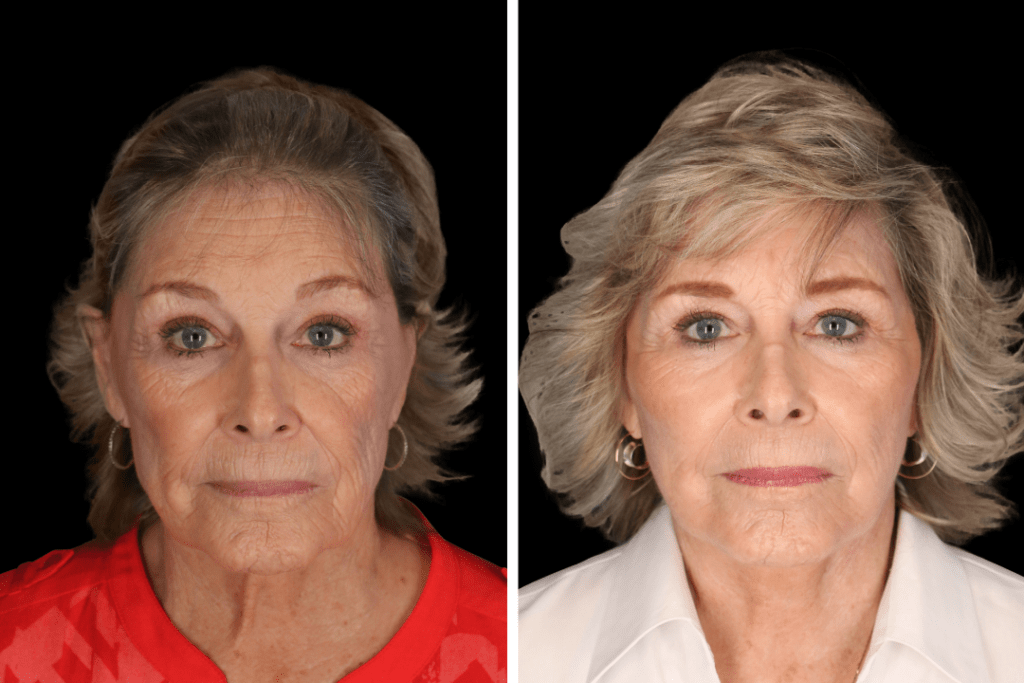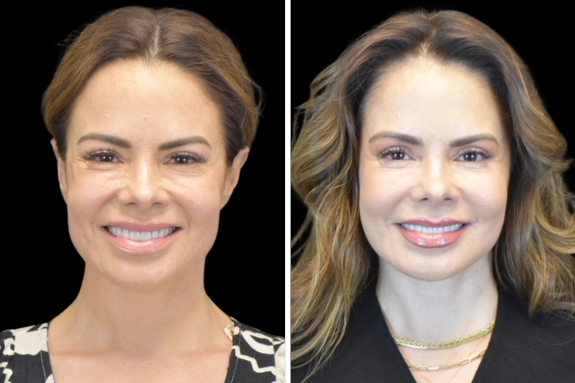
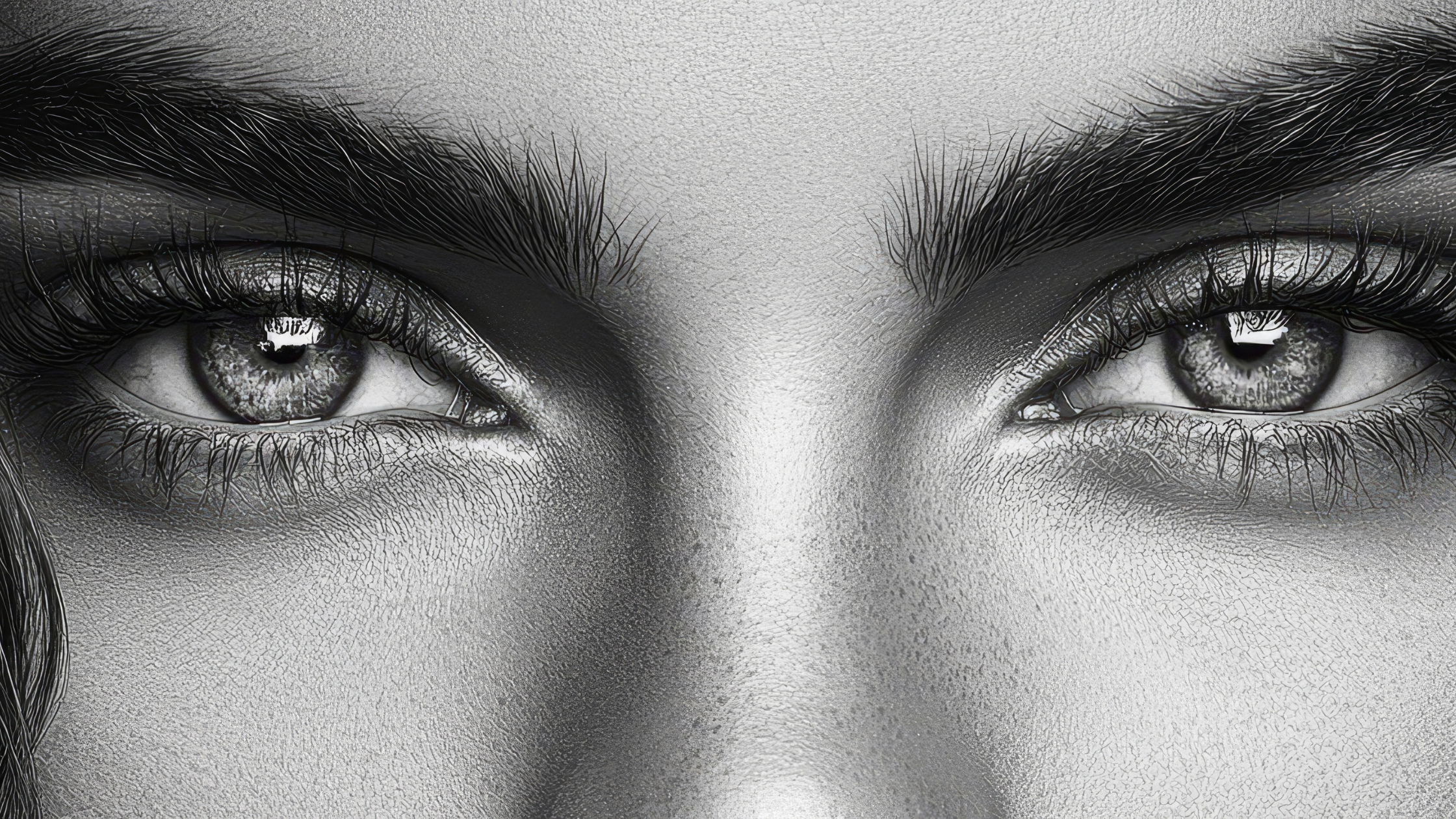
Blepharoplasty can be performed on the upper eyelids, lower eyelids, or both, depending on the patient’s concerns and anatomy. While both procedures aim to restore a more refreshed appearance, they address different structural changes and require distinct surgical approaches.
Upper eyelid surgery primarily focuses on excess skin and changes that affect the natural eyelid crease. Lower eyelid surgery, by contrast, is designed to improve under-eye contour, often addressing puffiness, shadowing, or skin laxity. Understanding these differences is essential when determining which option is most appropriate.
At Privé Beverly Hills, Dr. Catherine S. Chang, MD, FACS, evaluates the entire periorbital region before recommending a treatment plan. This ensures that any surgical approach supports overall facial balance rather than focusing on a single feature in isolation.
Upper eyelid concerns are often described as heaviness or hooding. Patients may notice that their eyelid crease becomes less visible or that makeup no longer sits evenly. In more advanced cases, the excess skin can extend downward, affecting the field of vision.
Lower eyelid concerns tend to involve volume and contour. Puffiness caused by fat protrusion can create under-eye bags, while skin laxity may contribute to fine lines or a less defined transition between the eyelid and cheek. These changes can create shadows that give the impression of fatigue.
Dr. Chang considers these patterns carefully, as treating only one area may not fully address the patient’s overall concern.
Upper blepharoplasty typically involves the removal of excess skin and, when necessary, adjustment of underlying muscle or fat. The incision is placed within the natural crease of the eyelid, allowing it to heal with minimal visibility.
Lower blepharoplasty requires a more nuanced approach. Rather than simply removing fat, modern techniques often involve repositioning it to create a smoother contour. This helps maintain volume while reducing puffiness, resulting in a more natural transition between the lower eyelid and cheek.
Dr. Catherine Chang, MD, FACS, tailors each procedure based on the patient’s anatomy and aesthetic goals. Her approach emphasizes subtlety, ensuring that changes enhance the eyes without altering their natural shape. This is consistent with her philosophy of achieving results that appear refined rather than overtly surgical.
Recovery varies slightly between upper and lower eyelid surgery, though both are generally associated with a relatively short downtime. Swelling and bruising are common in the first one to two weeks, with gradual improvement over time.
Patients undergoing lower eyelid surgery may experience temporary visual changes or increased sensitivity in the early stages of healing. Regardless of the procedure, it is important to avoid activities that strain the eyes and to follow post-operative care instructions carefully.
Most patients return to daily activities within a week, though more strenuous exercise should be postponed for several weeks. Final results develop gradually, with continued refinement over several months as swelling fully resolves.
Choosing between upper and lower blepharoplasty depends on the specific concerns being addressed. Patients with excess upper eyelid skin or functional vision obstruction may benefit most from upper eyelid surgery. Those with under-eye bags or contour irregularities may be better suited for lower eyelid procedures.
In many cases, a combined approach offers the most balanced outcome. Treating both the upper and lower eyelids allows for a more cohesive result, particularly when changes are present in multiple areas.
A consultation is essential to determine the most appropriate plan. This includes a detailed assessment of eyelid anatomy, skin quality, and overall facial structure.
Blepharoplasty is not a one-size-fits-all procedure. Whether addressing the upper eyelids, lower eyelids, or both, the goal remains the same: to restore a natural, refreshed appearance that aligns with the patient’s features.
At Privé Beverly Hills, eyelid surgery is performed with careful attention to detail and a commitment to understated results. Patients considering blepharoplasty are encouraged to schedule a consultation with Dr. Catherine Chang to explore a treatment plan tailored to their individual needs.