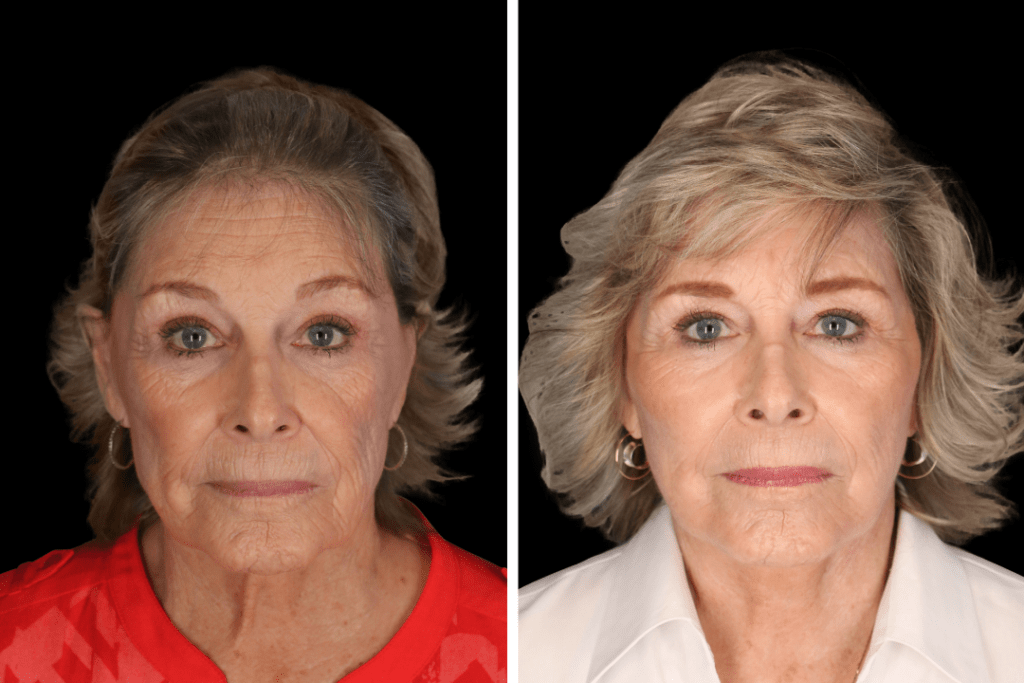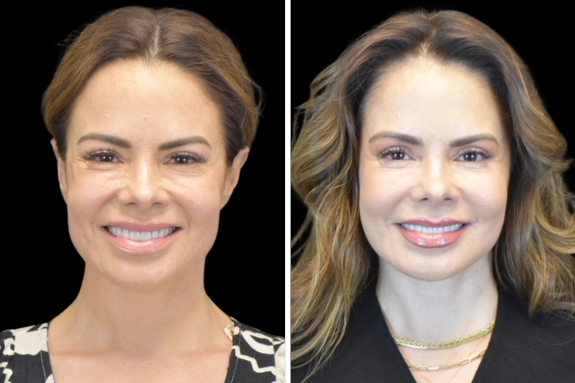

One of the most important factors in a patient’s decision to undergo blepharoplasty is an understanding of what the recovery process involves. While eyelid surgery is considered a relatively straightforward procedure with high satisfaction rates, the recovery period requires patience, adherence to postoperative instructions, and realistic expectations about the healing timeline. Patients who understand what to expect at each stage of recovery are better equipped to plan accordingly, manage their comfort, and appreciate the gradual emergence of their final results. At Prive Beverly Hills, Dr. Catherine Chang provides each patient with a comprehensive recovery plan and remains available throughout the healing process to address questions and monitor progress. This week-by-week guide offers an overview of the blepharoplasty recovery experience.
Blepharoplasty is performed on an outpatient basis, meaning patients return home the same day. The procedure is typically completed under local anesthesia with intravenous sedation, allowing patients to remain comfortable and relaxed throughout. Depending on whether the upper eyelids, lower eyelids, or both are treated, the surgery takes approximately one to two hours.
At the conclusion of the procedure, thin sutures are placed along the incision lines, and the eyes may be gently dressed with ointment or light bandaging. Patients should arrange for a companion to drive them home and to remain with them for the first evening.
Upon arriving home, patients are advised to rest with their head elevated on two to three pillows. Cold compresses applied gently around the eyes, taking care not to press directly on the incisions, help reduce swelling and provide comfort. The clinical team provides specific instructions on the type of compresses to use and the frequency of application.
Mild discomfort, a sense of tightness around the eyes, and blurred vision from the ointment are all normal experiences on the day of surgery. Prescribed pain medication is available if needed, though many patients find that over-the-counter pain relief is sufficient.
The first week after blepharoplasty is the most intensive phase of recovery. Swelling and bruising are at their peak during the first two to three days and then gradually begin to subside. The degree of swelling and bruising varies among patients and can be influenced by factors such as the extent of the surgery, the patient’s skin type, and individual healing characteristics.
During this week, patients should continue to sleep with their head elevated, apply cold compresses as directed, and avoid activities that increase blood flow to the head, including bending over, heavy lifting, and strenuous exercise. Reading, screen time, and activities that require sustained visual focus may cause eye strain and should be limited.
Prescribed eye drops or ointment help keep the eyes lubricated and support the healing of the incision lines. Patients should avoid rubbing or touching the eyes and should refrain from wearing contact lenses.
Sutures are typically removed at a follow-up appointment five to seven days after surgery. This visit also provides Dr. Chang with the opportunity to evaluate the healing process and address any patient concerns. Suture removal is quick and generally painless.
By the end of the first week, most patients notice a significant reduction in swelling and bruising. While the eyes may still appear somewhat puffy and the incision lines are still visible, many patients feel comfortable enough to resume light activities and, with the application of concealer, may feel ready to appear in public.
During the second and third weeks, the healing process continues at an encouraging pace. Swelling continues to diminish, and any residual bruising, which may have transitioned from darker tones to lighter yellow or green hues, fades progressively.
The incision lines begin to heal and flatten. At this stage, they may appear pink or slightly red, which is a normal part of the healing process. Scar management measures, such as the application of silicone-based scar products and diligent sun protection of the incision area, may be recommended.
Most patients return to work and social activities during this period. Makeup can be applied to the areas away from the incision lines, and sunglasses provide both UV protection and discretion.
Light exercise, such as walking, may be resumed with the approval of Dr. Chang. However, activities that significantly raise blood pressure or involve jarring movements should still be avoided.
Patients may notice that their eyes feel mildly dry during this period, and continued use of lubricating eye drops is often helpful. Any concerns about dryness, tearing, or visual changes should be communicated to the clinical team.
By the fourth to sixth week following surgery, the majority of visible healing has occurred. Swelling has largely resolved, and the incision lines have continued to mature, becoming less conspicuous. The eyes begin to look more naturally refreshed, and the tired, heavy appearance that prompted the surgery has been replaced by a more alert, rested look.
Patients can typically resume all forms of exercise, including vigorous cardiovascular activity and strength training, with the approval of their surgeon. Contact lenses can be worn again, and any restrictions on activities have generally been lifted.
The results at this stage are a reliable preview of the final outcome, though subtle changes will continue for several more months.
The most subtle aspect of blepharoplasty recovery is the extended remodeling process that occurs over the months following surgery. During this period, the incision lines continue to fade, transitioning from pink to a color that closely matches the surrounding skin. For incisions placed within the natural eyelid crease, the final scar is typically imperceptible.
Residual firmness or mild numbness along the incision lines gradually resolves. The tissues around the eyes continue to soften and settle into their final position, and any minor asymmetry that was present during the early healing phase often self-corrects.
A 2021 study published in Aesthetic Surgery Journal assessed the timeline of patient satisfaction following blepharoplasty and found that satisfaction increased progressively over the first six months, with the highest scores reported once the remodeling process was complete (Kosowski et al., Aesthetic Surgery Journal, 2021).
Dr. Chang schedules follow-up appointments at appropriate intervals to monitor the long-term healing process and to address any questions about scar management or the possibility of complementary treatments to enhance the final result.
Several practical measures support a comfortable and efficient recovery. Preparing the home environment before surgery, including stocking the refrigerator with easy-to-prepare meals, arranging pillows for elevated sleeping, and placing ice packs in the freezer, reduces stress during the first few days.
Following postoperative instructions precisely, including medication schedules, activity restrictions, and follow-up appointments, is the most important thing a patient can do to support their recovery.
Patience is essential. Every patient heals at their own pace, and comparing one’s recovery to another patient’s experience can create unnecessary anxiety. Trusting the process and maintaining open communication with the clinical team ensures the best possible experience and outcome.
For patients in Beverly Hills and the greater Los Angeles area who are considering blepharoplasty, understanding the recovery process is an important part of the decision. At Prive Beverly Hills, Dr. Catherine Chang provides detailed, transparent information about every aspect of the surgical experience, empowering patients to make confident, well-informed choices. To schedule a consultation, patients are welcome to visit privebevhills.com or contact the office directly.