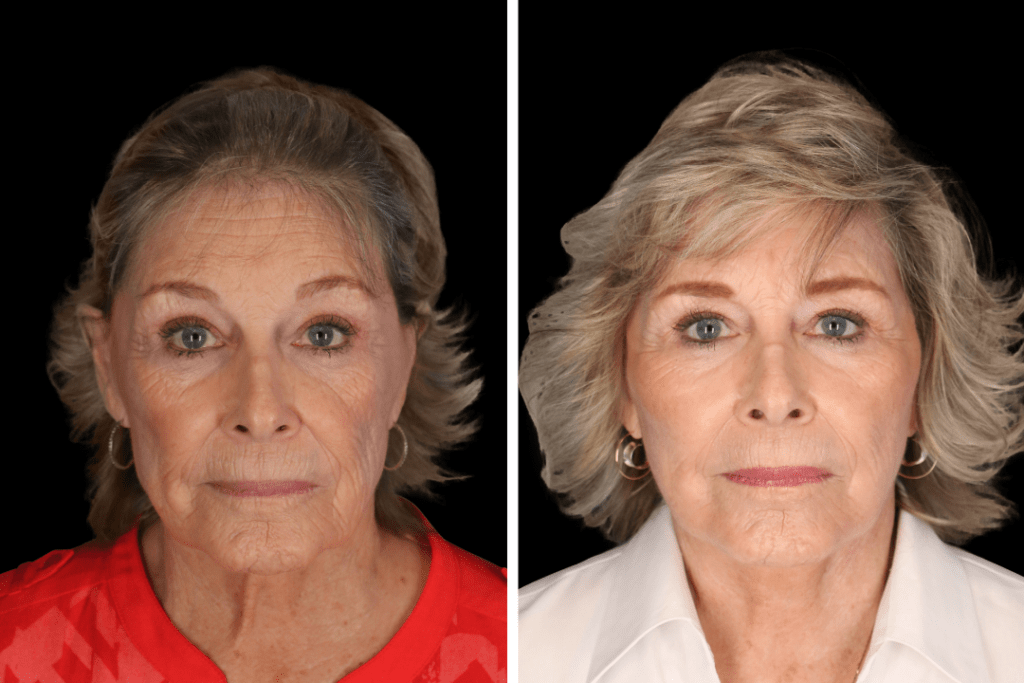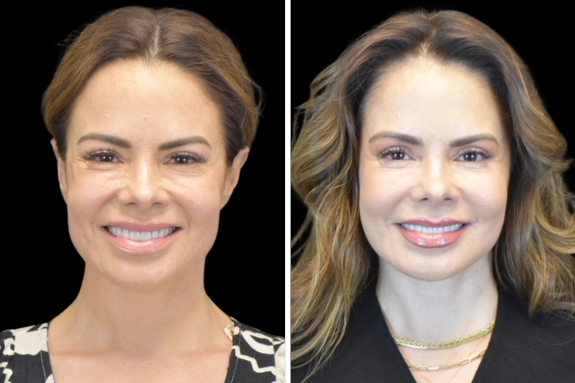

Facelift surgery has evolved considerably over the past two decades. Earlier techniques that relied on pulling the skin taut often produced results that looked tight, windswept, or obviously surgical. Modern approaches, particularly the deep plane facelift, address facial aging at a deeper anatomical level, repositioning the underlying structures of the face rather than simply tightening the skin. The result is a rejuvenation that appears natural because it addresses the actual cause of facial aging.
Dr. Catherine Chang, a board-certified plastic and reconstructive surgeon at Prive Beverly Hills, has earned recognition as one of the leading deep plane facelift surgeons in Los Angeles. Named among Newsweek’s America’s Top Plastic Surgeons multiple years running, Dr. Chang combines technical expertise with an artistic eye to deliver results that restore a youthful appearance without sacrificing the individuality of each patient’s face.
The deep plane facelift is an advanced surgical technique that differs fundamentally from traditional facelift methods. Rather than operating on the superficial layers of skin and subcutaneous tissue, the deep plane technique releases and repositions the deeper musculoaponeurotic layer, known as the SMAS, along with the overlying fat and skin as a single unit.
This approach allows the surgeon to lift the face in a way that restores the natural relationship between the deep structures and the overlying skin. Because the tissues are repositioned rather than pulled, the results avoid the telltale signs of surgery and produce a rejuvenation that looks like the patient simply appears younger.
How It Differs from Traditional Facelifts
Traditional facelift techniques typically involve separating the skin from the underlying SMAS layer, tightening each independently, and removing excess skin. While this approach can produce improvement, it creates tension on the skin that can lead to visible scarring, a pulled appearance, and results that may not last as long because the skin stretches over time.
The deep plane technique maintains the connection between the skin and the SMAS, lifting everything together as a composite flap. A systematic review published in Plastic and Reconstructive Surgery (2023) found that deep plane facelifts demonstrated superior longevity of results and higher patient satisfaction compared to SMAS plication and SMASectomy techniques.
Patients who seek deep plane facelift surgery typically have moderate to advanced facial aging that non-surgical treatments can no longer adequately address.
Midface Descent and Volume Deflation
As the face ages, the fat pads that provide youthful fullness descend under the influence of gravity. The cheeks flatten, the nasolabial folds deepen, and the jawline loses its definition. The deep plane facelift directly addresses this descent by lifting the midface tissues back to their youthful position.
Jowl Formation and Jawline Loss
The development of jowls along the jawline is one of the most common concerns that motivates patients to consider facelift surgery. Jowls form when the lower cheek tissues lose their attachment to the underlying bone and descend below the jawline. The deep plane technique is particularly effective at eliminating jowls because it lifts the tissue from the deepest layer.
Neck Laxity
Many patients present with concerns about their neck as well as their face. Loose skin, platysmal banding, and submental fullness can be addressed simultaneously during a deep plane facelift, providing comprehensive rejuvenation from the midface through the neck.
Desire for Natural Results
Perhaps the most consistent concern expressed by facelift patients is the fear of looking “done.” Patients want to look refreshed and rejuvenated, not obviously surgical. The deep plane technique is specifically designed to address this concern by producing results that look natural because they work with the anatomy rather than against it.
Dr. Catherine Chang’s approach to the deep plane facelift reflects both her extensive training and her understanding that facial rejuvenation is as much an art as it is a science.
The Surgical Procedure
The deep plane facelift is performed under general anesthesia and typically takes three to four hours. Incisions are placed in natural creases around the ear, where they heal discreetly. Dr. Chang elevates the deep plane flap, carefully releasing the retaining ligaments that tether the facial tissues to the underlying bone. Once these ligaments are released, the entire composite of deep tissue, fat, and skin can be repositioned in a natural, vertical vector.
Customization for Each Patient
No two faces age in exactly the same way, and Dr. Chang recognizes that a one-size-fits-all approach produces inferior results. She evaluates each patient’s specific pattern of aging, facial proportions, bone structure, and skin quality to determine the precise extent and vector of the lift. This customization is what separates excellent facelift results from merely adequate ones.
Preserving Facial Identity
One of Dr. Chang’s core principles is preserving the features that make each patient’s face uniquely theirs. The goal is never to create a generic, surgically standardized appearance but rather to restore the face to a more youthful version of itself. This philosophy is evident in the natural quality of her results.
Recovery from a deep plane facelift follows a predictable timeline, though individual experiences vary.
The First Two Weeks
The initial recovery period involves swelling and bruising that peaks around day three and gradually improves thereafter. Dr. Chang provides detailed post-operative instructions, including head elevation, cold compress application, and activity restrictions. Most patients manage discomfort effectively with prescribed medication during the first several days and transition to over-the-counter options shortly thereafter. Sutures and any drains are removed within the first week.
Weeks Three Through Six
Most patients feel comfortable returning to professional and social settings within two to three weeks, with the use of concealer to camouflage any residual bruising. Swelling continues to improve throughout this period, and patients begin to see their results taking shape. Light exercise can typically resume around week four.
Long-Term Results
The full results of a deep plane facelift become apparent over three to six months as all swelling resolves and the tissues settle into their final position. The results are remarkably long-lasting, with most patients enjoying their rejuvenated appearance for ten to fifteen years. Research published in JAMA Facial Plastic Surgery (2023) demonstrated that the deep plane technique provides the most durable results of any facelift approach currently available.
The deep plane facelift is appropriate for carefully selected patients who meet certain criteria.
Ideal Candidates
Good candidates are typically between the ages of forty-five and seventy-five with moderate to advanced facial aging including midface descent, jowl formation, and loss of jawline definition. They should be in good overall health, non-smokers or committed to quitting well before surgery, and have realistic expectations about the outcomes. Patients with significant skin laxity that non-surgical treatments cannot address are often excellent candidates.
Who May Benefit from Alternative Approaches
Patients with early signs of aging may achieve satisfactory improvement with less invasive options such as a mini facelift, injectable fillers, or energy-based skin tightening. Individuals with medical conditions that increase surgical risk may need to explore non-surgical alternatives. During the consultation, Dr. Chang provides honest guidance about which approach will best serve each patient’s needs.
The deep plane facelift represents the most advanced approach to facial rejuvenation available today, and choosing a surgeon with specific expertise in this technique is essential for achieving optimal results. Dr. Catherine Chang at Prive Beverly Hills brings the combination of technical mastery and artistic sensibility that this sophisticated procedure demands. To learn more about the deep plane facelift or to schedule a consultation, visit Prive Beverly Hills or contact the practice directly.