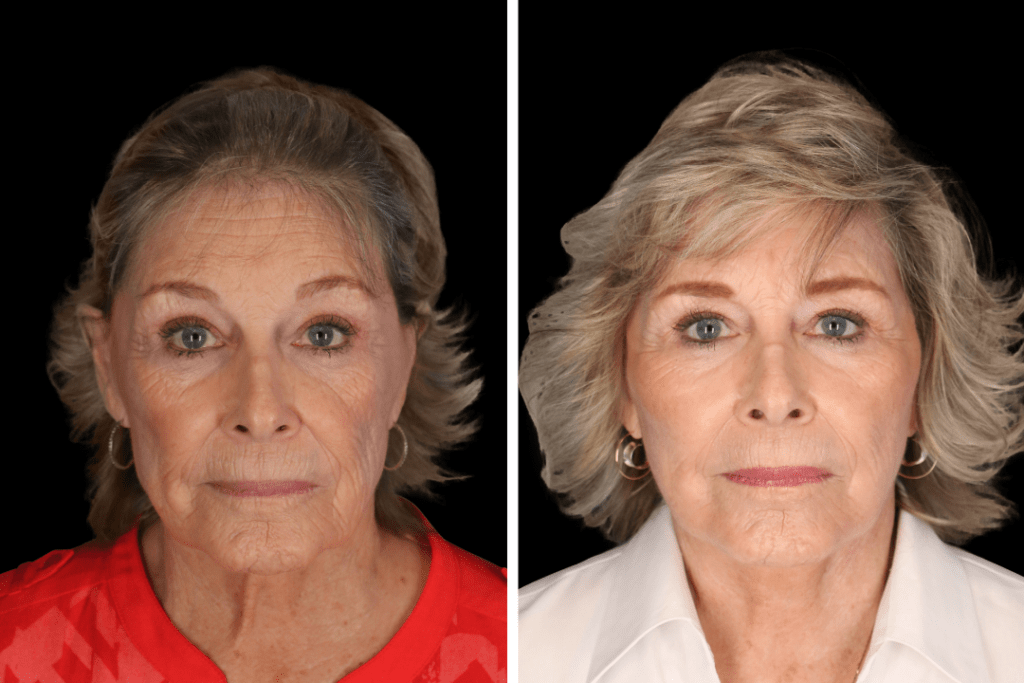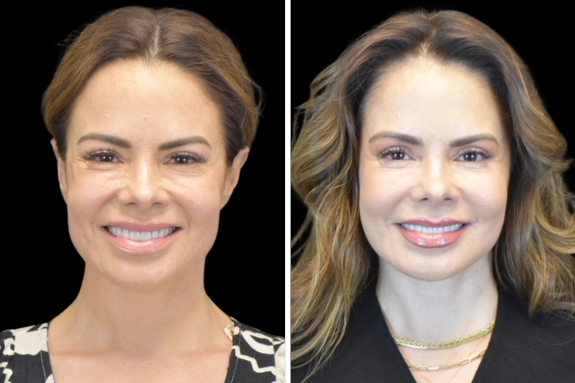

The eyes are often the first feature others notice, and they are among the earliest areas of the face to show signs of aging. Over time, the delicate skin surrounding the eyes loses elasticity, fat deposits shift or accumulate, and the muscles that support the eyelids weaken. These changes can produce a tired, heavy, or aged appearance that does not reflect how a person actually feels. For patients in Los Angeles and Beverly Hills who are seeking a refreshed, more youthful look, eyelid rejuvenation offers a refined solution that addresses these concerns with precision and lasting results.
Dr. Catherine Chang, a board-certified plastic and reconstructive surgeon at Prive Beverly Hills, is recognized for her meticulous approach to eyelid surgery. Her philosophy centers on preserving the natural character of each patient’s eyes while correcting the structural changes that contribute to an aged or fatigued appearance.
Eyelid rejuvenation, known medically as blepharoplasty, is a surgical procedure designed to improve the appearance and, in some cases, the function of the upper eyelids, lower eyelids, or both. The procedure addresses excess skin, displaced or herniated fat pads, and weakened musculature around the eye area.
Upper blepharoplasty focuses on removing or repositioning excess skin and tissue that creates hooding over the eyelid crease. In some patients, this excess skin extends far enough to partially obstruct the visual field, making the procedure both cosmetic and functional. Lower blepharoplasty targets puffiness, bags, and skin laxity beneath the eyes that contribute to a tired or aged appearance.
The Anatomy of Eyelid Aging
The periorbital region is uniquely vulnerable to the effects of aging because the skin around the eyes is the thinnest anywhere on the body. The orbital septum, a thin membrane that holds fat in place behind the eyelids, weakens over time, allowing fat to protrude forward and create visible bulging. Simultaneously, the levator muscle that lifts the upper eyelid may stretch, contributing to drooping. A study published in the journal Plastic and Reconstructive Surgery (2021) confirmed that these age-related anatomical changes are progressive and can be effectively addressed through surgical intervention with high patient satisfaction rates.
Patients considering eyelid rejuvenation typically present with concerns that are both aesthetic and, in some cases, functional. Understanding these concerns helps patients recognize when eyelid surgery may be appropriate.
Aesthetic Concerns
Excess skin on the upper eyelids that creates a heavy, hooded appearance is one of the most common complaints. Patients may notice that their eyelid crease is no longer visible or that applying eye makeup has become difficult. Lower eyelid puffiness or bags that persist regardless of sleep quality or hydration are another frequent concern, as are fine lines, wrinkles, and crepey skin texture around the eyes.
Functional Concerns
When upper eyelid skin droops significantly, it can impair peripheral vision, particularly in the upper and outer visual fields. Patients may find themselves unconsciously raising their eyebrows to compensate for the obstruction, which can lead to forehead strain and headaches. In these cases, upper blepharoplasty may be considered medically necessary.
Emotional Impact
Many patients describe feeling that they look perpetually tired, sad, or older than their actual age. This disconnect between how they feel internally and how they appear externally can affect confidence and social interactions. Eyelid rejuvenation can bridge this gap by restoring a more accurate reflection of vitality and alertness.
Dr. Catherine Chang at Prive Beverly Hills approaches every eyelid procedure with the understanding that the goal is refinement, not alteration. Her techniques are designed to produce results that look entirely natural and harmonize with the rest of the facial features.
Upper Blepharoplasty Technique
For upper eyelid surgery, Dr. Chang places incisions within the natural eyelid crease, ensuring that any resulting scar is virtually invisible once healed. Through this incision, she carefully removes or repositions excess skin and, when necessary, addresses protruding fat pads. The amount of skin removed is precisely calculated to avoid overcorrection, which can lead to an unnatural, hollow appearance or difficulty closing the eyes.
Lower Blepharoplasty Technique
Lower eyelid surgery can be performed through an external incision just below the lash line or through a transconjunctival approach, where the incision is made inside the lower eyelid. Dr. Chang frequently uses the transconjunctival technique, which leaves no visible external scar and is particularly effective for patients whose primary concern is fat herniation rather than excess skin. When skin tightening is also needed, a small external incision may be added.
Complementary Procedures
Eyelid rejuvenation is often combined with other procedures to achieve comprehensive facial harmony. Brow lift surgery can address sagging brows that contribute to upper eyelid heaviness. Fat transfer can restore volume to hollowed areas around the eyes. Skin resurfacing treatments can improve texture and fine lines in the periorbital region. Dr. Chang discusses all available options during the consultation to develop a plan that addresses each patient’s complete set of concerns.
Understanding the recovery process helps patients prepare appropriately and set realistic expectations for their results.
The First Week
Swelling and bruising around the eyes are expected during the first several days after surgery. Cold compresses, head elevation, and prescribed medications help manage discomfort and reduce swelling. Most patients describe the discomfort as mild and well-managed with over-the-counter pain relief. Sutures are typically removed within five to seven days.
Weeks Two Through Four
Most patients feel comfortable returning to work and social activities within ten to fourteen days, though residual swelling may persist for several weeks. Bruising typically resolves within two to three weeks. Patients are advised to avoid strenuous exercise and activities that increase blood pressure to the head during this period.
Long-Term Results
The final results of blepharoplasty become fully apparent once all swelling has subsided, typically within three to six months. The results are long-lasting, with most patients enjoying their improved appearance for ten years or more. While the aging process continues naturally, the eyes maintain a more youthful and rested appearance relative to how they would have looked without surgery. Research published in the Aesthetic Surgery Journal (2022) demonstrated that patient satisfaction with blepharoplasty remains consistently high at both short-term and long-term follow-up intervals.
Eyelid rejuvenation is appropriate for a wide range of patients, but certain factors determine whether surgery is the right choice.
Ideal Candidates
Good candidates for blepharoplasty are adults who have excess skin, fat deposits, or muscle laxity around the eyes that they wish to address. They should be in good overall health, non-smokers or willing to stop smoking well in advance of surgery, and have realistic expectations about what the procedure can achieve. Patients should not have any uncontrolled eye conditions, such as glaucoma or dry eye syndrome, that could complicate surgery or recovery.
Who May Not Be a Candidate
Patients with certain medical conditions, including uncontrolled thyroid disease, cardiovascular problems, or bleeding disorders, may not be suitable candidates for elective eyelid surgery. Individuals with unrealistic expectations or those seeking a dramatically different appearance rather than a natural improvement may be better served by exploring non-surgical options first.
The Importance of Consultation
A thorough consultation with a board-certified plastic surgeon is essential for determining candidacy. Dr. Chang evaluates each patient’s facial anatomy, skin quality, medical history, and aesthetic goals before recommending a surgical plan. This personalized assessment ensures that the recommended approach is safe, appropriate, and likely to deliver results that align with the patient’s expectations.
Eyelid rejuvenation is a refined procedure that, in the hands of an experienced surgeon, can produce results that are both meaningful and enduringly natural. If you are noticing changes around your eyes that concern you, a consultation with Dr. Catherine Chang at Prive Beverly Hills provides the opportunity to explore your options in a supportive, professional setting. To learn more about blepharoplasty and other facial rejuvenation services, visit Prive Beverly Hills or contact the office to schedule an appointment.