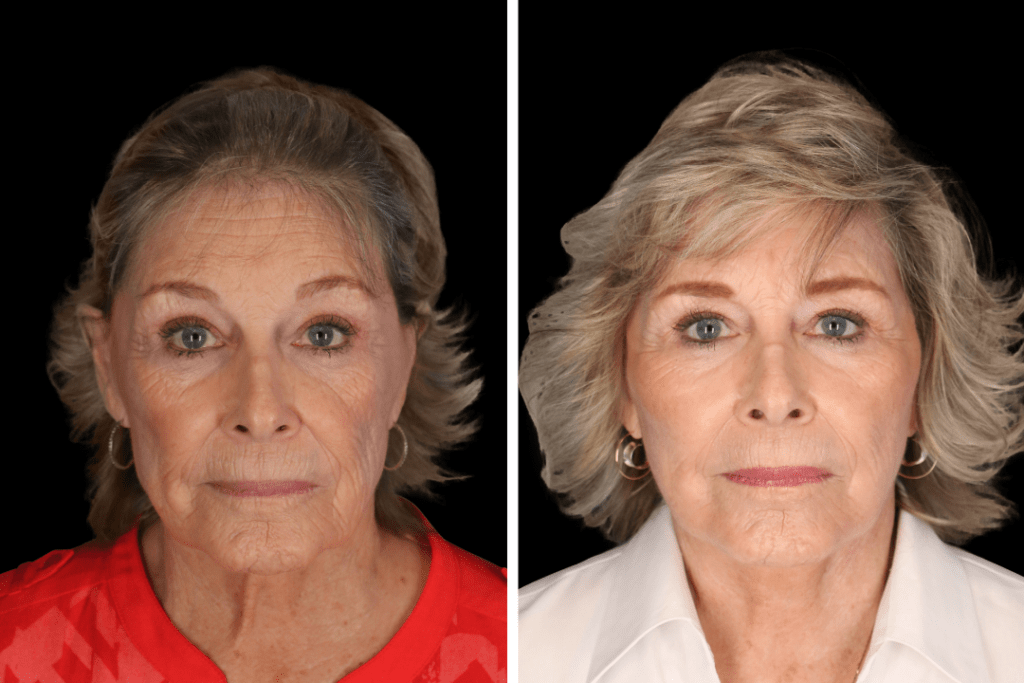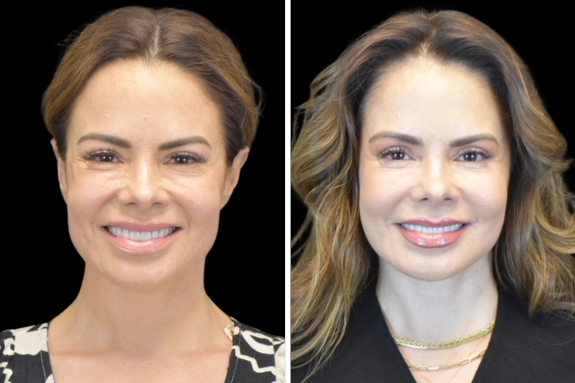

The area around the eyes is often the first region of the face to reveal the signs of aging. The skin of the eyelids is exceptionally thin, and the supporting structures beneath it, including muscle, fat, and connective tissue, are subject to the same gravitational and degenerative forces that affect tissues throughout the body. Over time, these changes can produce an appearance that looks tired, heavy, or aged, even in individuals who feel energetic and vital. An eyelid lift, or blepharoplasty, is a surgical procedure designed to address these changes with precision and subtlety, restoring a refreshed, rested appearance to the eyes. In Beverly Hills, Dr. Catherine Chang at Prive Beverly Hills is recognized for her expertise in facial plastic surgery, including blepharoplasty that produces natural, elegant results. Understanding the signs that may indicate readiness for this procedure helps patients approach the decision with clarity and confidence.
One of the most recognizable signs that a patient may benefit from an upper eyelid lift is the presence of excess skin that folds over the eyelid crease, creating a hooded or heavy appearance. This surplus tissue can obscure the natural contour of the eyelid, diminish the visible eyelid platform, and create a shadow that makes the eyes appear smaller or more deeply set.
In some cases, the excess skin is primarily a cosmetic concern, affecting the patient’s satisfaction with their appearance. In other cases, particularly when the skin drapes significantly, it can encroach upon the visual field, partially obstructing peripheral vision. When this functional impairment is documented through visual field testing, upper blepharoplasty may be considered medically necessary rather than purely elective.
Dr. Chang evaluates the degree of skin excess, the position of the brow, and the quality of the remaining eyelid skin during the consultation to determine whether upper blepharoplasty alone is sufficient or whether additional procedures may be beneficial.
Under-eye bags result from the herniation of orbital fat through the weakened septum that normally holds it in place behind the lower eyelid. As the septum loses its structural integrity with age, the fat pads protrude forward, creating visible pouches beneath the eyes that can produce a tired, swollen, or aged appearance.
Under-eye puffiness tends to be more prominent in the morning and can worsen with allergies, salt intake, and fatigue, but when the bags are caused by structural fat herniation, they are present throughout the day and do not resolve with lifestyle modifications alone.
Lower blepharoplasty addresses this concern by repositioning or removing the protruding fat and, when necessary, removing or tightening the excess skin beneath the eye. Dr. Chang uses techniques that preserve the natural fullness of the lower eyelid while eliminating the pouchy, swollen appearance that patients find bothersome.
Many patients who consider blepharoplasty describe a disconnect between how they feel and how they look. They feel well-rested and energetic, yet friends, colleagues, or family members frequently comment that they look tired. This observation can be both frustrating and motivating.
The tired appearance associated with eyelid aging is produced by the combination of excess upper eyelid skin, under-eye puffiness, and the deepening of the tear trough, the groove that extends from the inner corner of the eye downward across the cheek. Together, these changes create shadows, puffiness, and a loss of the bright, open quality that characterizes youthful eyes.
Blepharoplasty, sometimes combined with complementary treatments such as tear trough filler or skin resurfacing, can address these changes comprehensively, restoring an appearance that more accurately reflects the patient’s inner vitality.
A 2022 study published in Plastic and Reconstructive Surgery examined the impact of blepharoplasty on perceived age and attractiveness and found that patients were perceived as an average of five to seven years younger following the procedure, with corresponding improvements in perceived alertness and approachability (Reilly et al., Plastic and Reconstructive Surgery, 2022).
A practical indicator that upper eyelid skin excess has become significant is difficulty applying eye makeup. When the eyelid skin folds over the crease, it can obscure eyeshadow, cause eyeliner to smudge or transfer, and make it challenging to create a clean, defined eye look. Patients who once enjoyed wearing eye makeup may find that they avoid it altogether because the results are no longer satisfactory.
While this sign may seem minor, it reflects a meaningful change in the functional anatomy of the eyelid that can affect a patient’s daily routine and self-expression.
Fine lines, crepiness, and loss of elasticity in the eyelid skin are natural consequences of aging, sun exposure, and collagen depletion. While laser treatments and topical products can improve surface texture, they cannot address the structural changes of laxity and volume displacement that produce the most visible signs of eyelid aging.
Patients who notice that the skin around their eyes has become thin, crepe-like, or excessively wrinkled may benefit from the tissue removal and tightening that blepharoplasty provides. Dr. Chang assesses the quality and thickness of the eyelid skin during the examination and may recommend complementary skin treatments to optimize the texture of the remaining skin following surgery.
Blepharoplasty is typically performed under local anesthesia with sedation and takes one to two hours depending on whether the upper, lower, or both eyelids are treated. Recovery involves one to two weeks of visible swelling and bruising, with most patients feeling comfortable returning to social activities within seven to ten days. Sutures are removed within the first week, and incision lines fade significantly over the following months.
The results of blepharoplasty are long-lasting, as the excess skin and fat that are removed do not return. While the aging process continues, most patients enjoy their results for many years.
Candidates for blepharoplasty are individuals in good health who are experiencing one or more of the signs described above and who have realistic expectations about the outcomes. A thorough consultation with Dr. Chang provides the clinical assessment needed to determine whether blepharoplasty is the right choice and, if so, what approach will best serve the patient’s goals.
For patients in Beverly Hills and the greater Los Angeles area who recognize one or more of these signs, a consultation with Dr. Catherine Chang at Prive Beverly Hills offers the opportunity to discuss eyelid surgery in a setting that values precision, artistry, and patient-centered care.
To schedule a consultation, patients are invited to visit privebevhills.com or contact the office directly.